Body Contouring Farmington Hills: Common Questions Answered
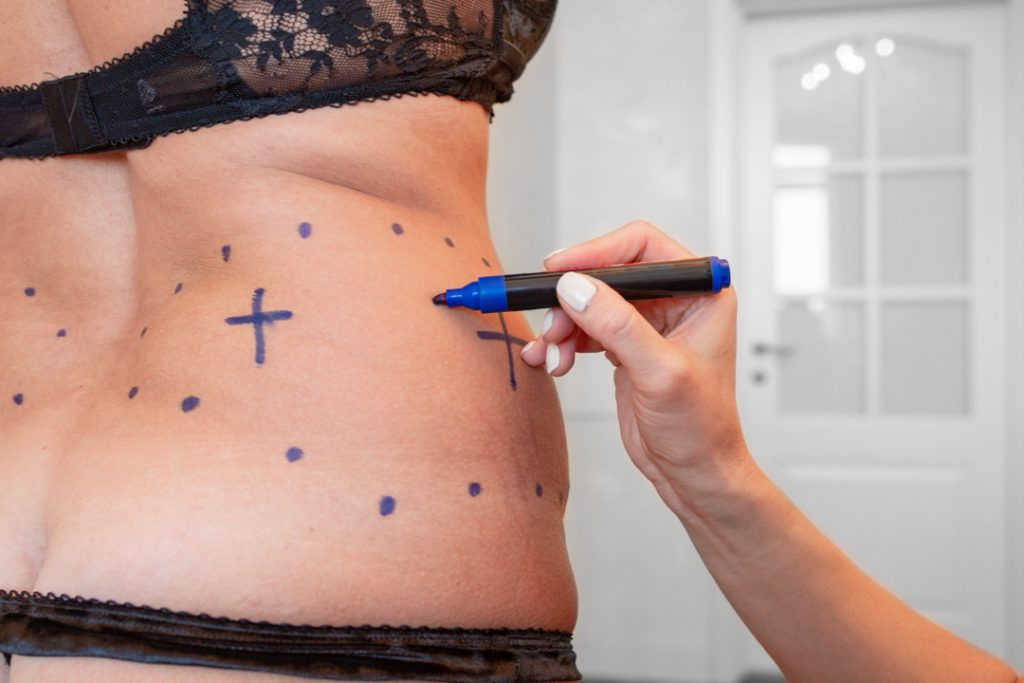
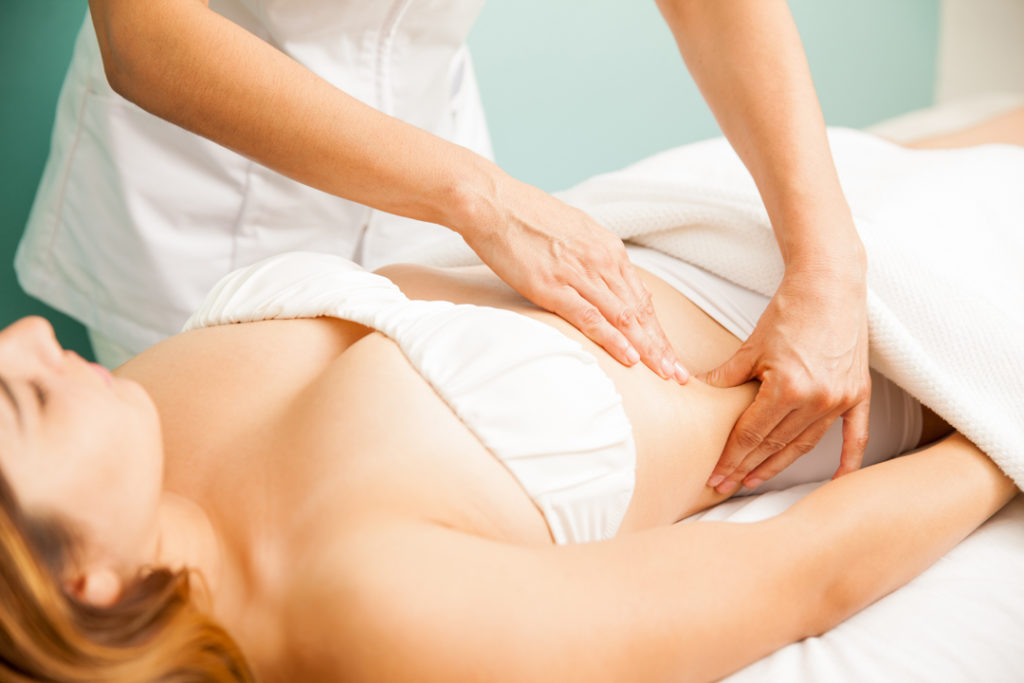
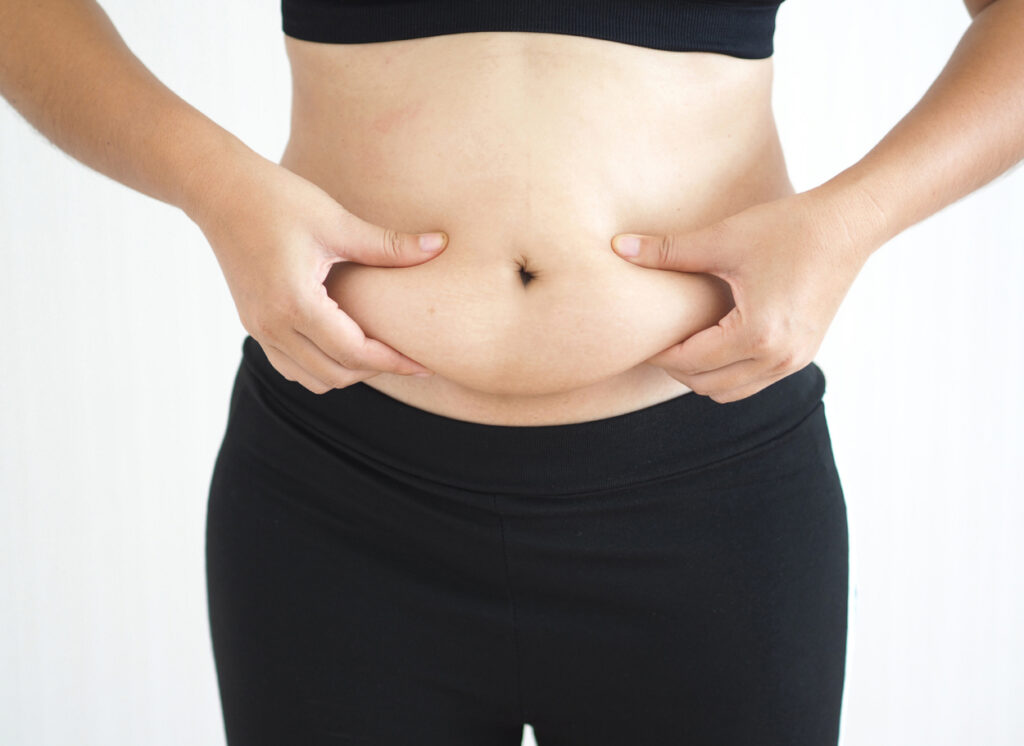
Body contouring draws attention because it sits in that uncomfortable middle ground between fitness, skin quality, weight change, and cosmetic medicine. Many people do a lot right, they exercise, they eat well, they lose the baby weight or recover after a major life change, and still feel frustrated by one or two areas that never seem to respond. The lower abdomen stays loose. The flanks hold on. The upper arms look softer than the rest of the body. That is usually where the questions begin.
In consultations around Body Contouring Farmington Hills, the same themes come up again and again. People want to know what body contouring actually means, who gets the best results, whether non-surgical treatments are worth the time and money, and how much change is realistic. They also want honest guidance, not sales language.
That is the right instinct. Body contouring can be useful, but it is not magic, and it is not one-size-fits-all. The best outcomes come from matching the right treatment to the right concern, with a clear understanding of limits, downtime, and maintenance.
What body contouring actually includes
Body contouring is not one single procedure. It is a broad category that includes both surgical and non-surgical options designed to improve shape, definition, and proportion. Some treatments target fat. Some target loose skin. Some stimulate collagen to tighten mildly lax tissue. Others combine more than one approach.
This distinction matters because patients often use one phrase to describe several different concerns. Someone may say they want to “get rid of belly fat,” but during a closer conversation the larger issue turns out to be skin looseness after pregnancy. Another person may feel bothered by “sagging arms,” but the main problem is actually a small layer of stubborn fat over otherwise good skin tone. Those are different starting points and they need different solutions.
Non-surgical body contouring often refers to treatments that use controlled cooling, radiofrequency, ultrasound, heat, or injectable agents to reduce pockets of fat or improve skin firmness. Surgical body contouring includes liposuction, tummy tuck procedures, arm lifts, thigh lifts, and related operations. The gap between those two categories is wider than most marketing materials suggest. One may offer modest improvement with little downtime. The other may produce a dramatic change, but with recovery, scars, and higher cost.
Am I a good candidate?
This is probably the most important question, and it is often answered too casually. Good candidacy has less to do with a single number on a scale and more to do with tissue quality, overall health, and expectations.
The strongest candidates for non-surgical body contouring are usually close to a stable weight, with small to moderate areas of pinchable fat or mild skin laxity. They are not looking for major weight loss. They want refinement. Think of the person whose clothes fit better after a treatment course, even though the scale barely changes. That is a common and reasonable goal.
The best candidates for surgical contouring are often those who have more significant excess skin, larger fat deposits, weakened abdominal support, or changes after pregnancy or major weight loss that devices alone cannot meaningfully address. A patient with stretched abdominal skin and separated muscles, for example, may spend months trying non-surgical options and still remain disappointed because the issue was structural from the start.
A few practical signs usually point toward a better consultation:
- Your weight has been fairly stable for at least a few months.
- You can describe a specific area that bothers you, rather than a general desire to “look different.”
- You understand that contouring improves shape, not your underlying lifestyle or long-term weight habits.
- You are comfortable discussing medical history, medications, and prior surgeries honestly.
- You want measurable improvement, not perfection.
If several of those fit, you are likely approaching the process with the right mindset.
Can body contouring help me lose weight?
Usually, no. This is where many people get misled. Body contouring is not a substitute for a medically guided weight loss plan, nutrition changes, or exercise. It is better understood as a finishing tool.
Most non-surgical treatments remove only a limited amount of fat from a targeted area. Surgical options can remove more, but even then the purpose is contour, not metabolic transformation. If someone is hoping to lose 30 or 40 pounds, body contouring is not the first step. In that scenario, a physician may recommend focusing on weight stability first, because results generally look better and last longer once the body is no longer in flux.
There is also a psychological component here. People sometimes expect fat reduction in one area to trigger full-body confidence, but if the broader issue is ongoing dissatisfaction with weight or shape overall, a localized treatment may not feel as satisfying as they hoped. A careful consultation should address that directly.
Which areas are most commonly treated?
The abdomen remains the most requested area, and for obvious reasons. It changes with age, pregnancy, hormonal shifts, and weight fluctuation. The flanks, often called love handles, are close behind because they can resist even disciplined exercise. Under the chin is another frequent target, though technically facial rather than body contouring.
Arms, thighs, bra-line fullness, back rolls, and the area under the buttocks are also common concerns. In practice, some body areas respond better than others. A small lower abdominal pocket with good skin can respond nicely to fat-focused treatment. A crepey upper arm with thin skin and laxity may improve only modestly unless skin tightening or surgery is part of the plan.
That is why the phrase “common treatment area” should never be confused with “easy treatment area.” The location matters, but skin thickness, fat depth, prior stretch marks, and age-related collagen loss often matter more.
What is the difference between fat reduction and skin tightening?
Patients often blend these together, but they are separate goals. Fat reduction decreases the volume beneath the skin. Skin tightening aims to improve the firmness or recoil of the skin itself. If the wrong tool is used for the wrong problem, the result can be disappointing.
Picture someone after weight loss who has a small apron of loose lower abdominal skin. If a treatment removes a little more underlying fat without addressing the skin, the area may look flatter but also looser. On the other hand, a person with a compact, stubborn fat pocket and strong skin elasticity may do quite well with fat reduction alone.
This is why experienced providers pinch, press, and assess tissue during consultation rather than relying only on photos. A photo can suggest fullness. It does not always reveal whether that fullness is fat, loose skin, swelling, scar tissue, or even posture.
How much improvement is realistic?
A realistic answer is more valuable than an exciting answer. Non-surgical body contouring often produces visible but moderate improvement. For the right candidate, that can be enough. Clothing may fit more smoothly. A waistline may look cleaner. A treated area may appear less bulky in profile. What most people do not get is a surgically sculpted transformation from a device treatment alone.
Results are also gradual. Some treatments work by damaging fat cells that the body clears over weeks to months. Collagen remodeling takes time as well. Immediate changes are uncommon unless swelling creates a temporary effect, and temporary effects should not be mistaken for final results.
Surgical contouring produces more obvious change, but even there, healing influences the timeline. Swelling can last longer than many patients expect, especially in the abdomen or thighs. Early photos can be misleading in both directions. Some people panic because they still feel puffy at six weeks. Others get excited at two weeks without realizing they are seeing only part of the final result.
A practical way to think about it is this: non-surgical treatment can refine, surgery can reshape. Neither can suspend biology. Skin still ages. Weight can still fluctuate. Muscles still respond to activity or inactivity.
How many sessions will I need?
It depends on the technology, the body area, and the amount of change you want. One of the most common frustrations in aesthetic medicine comes from hearing “one treatment may help” and translating that into “one treatment will solve this.”
Some devices are designed as a series. Others may show effect after a single session but work better with repeat treatment. Skin tightening, in particular, often benefits from multiple visits because collagen stimulation is incremental. Fat reduction may require more than one cycle if the pocket is broad or if the patient wants a stronger result.
A trustworthy provider should discuss treatment in terms of a plan rather than a one-off event. That plan might include one session, or it might include a staged approach across several months. Neither is inherently better. The key is that the expected course should be clear before you start.
Does body contouring hurt?
Most non-surgical body contouring is tolerable, but “painless” is not a word I would trust automatically. Cooling treatments can create intense cold, pulling, numbness, and aching early in the session. Heat-based treatments can feel hot in a way that ranges from soothing to sharp, depending on the settings and the area treated. Injectable fat-dissolving treatments can sting and swell noticeably afterward.
Pain also varies by body site. The flanks may feel different from the inner thighs. The upper arms can be surprisingly sensitive for some patients. Anxiety matters too. A person who knows what sensation to expect usually handles it better than someone who walks in assuming it will feel like a light facial.
Surgical contouring is a different category altogether. There is no reason to minimize it. Recovery can be significant, especially when skin excision or abdominal repair is involved. The trade-off is a greater degree of correction.
What is recovery like?
Recovery is one of the biggest separators between treatment types. Non-surgical options often allow a quick return to daily routines, but “no downtime” can still include temporary swelling, tenderness, numbness, bruising, or firmness in the treated area. You may be able to work the next day and still not love how the area looks in fitted clothing for a week or two.
Surgical recovery is more involved. It may include drains, compression garments, activity restrictions, lifting limits, sleep adjustments, and a slower return to exercise. The first several days can feel manageable for some and surprisingly humbling for others. People who prepare their home, schedule help, and clear their calendar tend to recover with less stress.
One overlooked detail is timing. Many patients want treatment just before a vacation, wedding, reunion, or summer season. That can work for some non-surgical plans if expectations are modest, but surgery generally deserves a larger window. Rushing recovery almost always adds frustration.
Are results permanent?
Fat cells removed surgically are gone. Fat cells damaged and cleared by certain non-surgical methods are also reduced in number. But the body can still store fat in remaining cells, and untreated areas can still change. So the honest answer is that results can last, but they are not immune to weight gain, hormonal changes, pregnancy, aging, or inconsistent habits.
Skin tightening results are even more dynamic. Collagen can improve, yet skin continues to age. If someone asks whether they will need maintenance, the truthful answer is often yes, especially with non-surgical tightening.
This is not a flaw in the treatment. It is simply how tissue behaves over time. Patients who understand this from the beginning usually feel better about the value of what they are doing.
What should I ask during a consultation?
The quality of the consultation often predicts the quality of the experience. If a provider spends very little time examining the area, asks almost nothing about weight history or prior surgeries, and immediately pushes a package, that is a warning sign.
A useful consultation should cover more than price. It should clarify what problem is being treated, what method makes sense for that problem, what kind of result is realistic, and what alternatives exist. If surgery would likely outperform a device in your case, you should hear that plainly.
Here are a few questions worth asking:
- What exactly are you treating here, fat, loose skin, muscle separation, or a combination?
- Am I likely to need more than one session to see a meaningful result?
- What results do patients with my body type usually notice, and what do they not notice?
- What is the recovery likely to feel like in real terms over the first few days and weeks?
- If this treatment falls short, what would be the next reasonable option?
Those questions tend to move the conversation away from hype and toward judgment.
How do I compare non-surgical and surgical options honestly?
The fairest comparison is not “easy versus hard” or “cheap versus expensive.” It is modest change with less disruption versus larger change with more commitment. A patient with a mild contour concern and solid skin tone may be thrilled with a non-surgical option because the improvement fits the problem. A patient with hanging skin after major weight loss may spend thousands chasing a result that only surgery can produce.
There is also the issue of cumulative cost. A single non-surgical session may appear more approachable, but if multiple sessions are needed, the total can rise quickly. Surgery costs more up front, yet may achieve in one event what a series of non-surgical treatments cannot match. That does not mean surgery is better for everyone. It means comparison should include likely endpoint, not just entry price.
In Body Contouring Farmington Hills consultations, this is where experience matters. It is not difficult to recommend a treatment. It is harder, and more useful, to tell someone when a treatment is unlikely to satisfy them.
Are there risks I should know about?
Yes, and they should be discussed in plain language. Non-surgical treatments can cause bruising, swelling, numbness, tenderness, uneven response, and temporary skin sensitivity. Some carry uncommon but important risks such as paradoxical enlargement of a treated fat area after certain cooling procedures. That risk is rare, but not imaginary, and patients deserve to hear about it.
Surgery adds the usual operative considerations, including bleeding, infection, delayed healing, fluid collections, visible scarring, contour irregularity, asymmetry, and anesthesia-related risk. Smoking, nicotine exposure, poorly controlled medical conditions, and large weight swings increase the chance of disappointment or complications.
Risk discussion should feel specific to your body and history, not recited from memory at high speed.
How should I prepare for treatment?
Preparation does not need to be complicated, but it should be deliberate. Stable weight matters. Hydration helps. Clear communication about medications and supplements is essential, especially anything that affects bleeding or bruising. If you are planning surgery, arrange practical support before you need it. The patient who lines up help with children, pets, lifting, or transportation ahead of time usually has a smoother recovery than the patient who assumes they can improvise.
Photos can also be surprisingly useful. Taking consistent pre-treatment photos at home, with the same lighting and angles, gives you a more honest baseline than memory does. Many people forget how an area looked before treatment and judge results unfairly.
Why expectations matter more than technology
Technology gets the spotlight, but expectations decide whether patients feel satisfied. A person who wants a small, polished improvement and understands the timeline may be delighted by a subtle result. Another who expects a dramatic waist reduction from a single non-surgical session may call the exact same outcome a failure.
This https://cruztcsw943.currentvale.com/posts/how-to-maintain-your-results-after-body-contouring-farmington-hills is not just about attitude. It is about alignment. The best provider-patient relationships are built on a shared understanding of the problem, the plan, and the probable result. If those three things are clear, even temporary swelling or slower progress tends to feel manageable. If they are vague, even a decent clinical result can feel disappointing.
That is especially true in aesthetics, where people often carry years of frustration into the treatment room. A good consultation makes space for that without promising miracles.
The bottom line for patients considering Body Contouring Farmington Hills
If you are exploring Body Contouring Farmington Hills, start by getting precise about what bothers you. Is it a pocket of fat, loose skin, post-pregnancy change, or a combination? Once that is clear, the next step is not chasing the newest device. It is finding a qualified provider who can tell you what is likely to help, what will probably fall short, and how much change is realistic for your body.
Body contouring works best when it is treated as targeted refinement, not broad reinvention. For some people, that means a non-surgical plan with subtle but worthwhile improvement. For others, it means recognizing that surgery is the only path likely to match their goals. Neither choice is inherently superior. The right one is the one that fits your anatomy, timeline, tolerance for downtime, and expectations.
When those pieces line up, body contouring can be genuinely satisfying. Not because it changes everything, but because it finally addresses the specific thing that diet, exercise, and time never quite fixed.
Aesthetic Plastic Surgery & Laser Center, Michelle Hardaway M.D.
Address: 27920 Orchard Lake Rd, Farmington Hills, MI 48334
Phone number: +12482211957
FAQ About Body Contouring Farmington Hills
What does body contouring actually do?
Body contouring (or body sculpting) eliminates stubborn localized fat, tightens loose, sagging skin, and reshapes your silhouette. It is not a weight-loss tool, but rather a cosmetic procedure used to refine and tone specific trouble spots after major weight loss, pregnancy, or aging.
How much does body contouring usually cost?
The total cost of body contouring usually ranges from $2,000 to $25,000+ depending entirely on whether you choose non-surgical sessions or major surgical procedures.
Because "body contouring" covers everything from simple fat-freezing to comprehensive post-weight-loss surgeries, pricing is heavily categorized by the method used.
What is the best type of body contouring?
Liposuction is a huge topic and worth discussing in more detail, but in terms of body contouring and sculpting, nothing does the job better than liposuction, particularly VASER liposuction.